
Impaired Driving Guide
How Drugs and Alcohol Affect Your Driving
Many drugs, including those prescribed by a doctor or purchased over the counter, can impair your ability to drive safely. For example, smoking, vaping, or consuming cannabis can increase your risk of being involved in a motor vehicle collision. If you are unsure whether it is safe to drive while taking medication, speak with your doctor or pharmacist.
The Canadian Society of Forensic Science has reported that impairment from cannabis can begin almost immediately and may last up to six hours or more, depending on factors such as THC levels and the method of consumption. Frequent high-dose THC users may experience longer periods of impairment. Because the effects vary from person to person, there is no exact time that guarantees it is safe to drive. The safest option is to plan another way home if you are using cannabis.
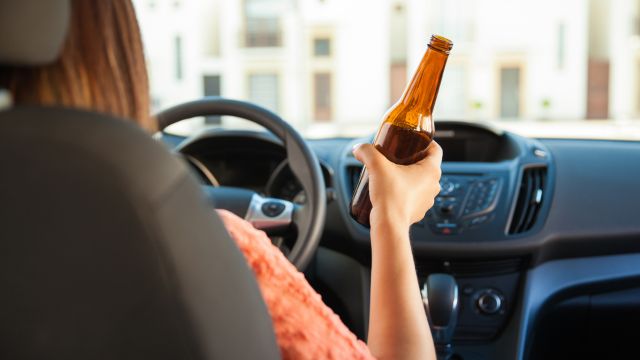
Alcohol—even a single drink—can reduce your ability to react to sudden events. Its effects may include blurred or double vision, reduced attention, and slower reflexes. Alcohol-impaired driving remains one of the leading causes of death on Ontario roads.
What Counts as Impaired Driving
Impaired driving means operating a vehicle while your ability to do so is affected by alcohol, drugs, or a combination of both. This applies to:
- Cars
- Trucks
- Boats
- Snowmobiles
- Off-road vehicles
Fully Licensed Drivers
Across Canada, the legal blood alcohol concentration (BAC) limit for fully licensed drivers is under 0.08 (80 milligrams of alcohol per 100 millilitres of blood). Driving with a BAC of 0.08 or higher is a criminal offence with serious penalties.
In Ontario, there are also administrative consequences if your BAC falls between 0.05 and 0.08, commonly known as the “warn range.”
If police determine that you are impaired by any drug—including cannabis, prescription medications, or over-the-counter drugs—you may face criminal charges and serious penalties.
Zero Tolerance for Young, Novice, and Commercial Drivers
Young and Novice Drivers
Drivers aged 21 or under, and novice drivers of any age (G1, G2, M1, or M2 licences), must have no alcohol or drugs in their system while driving. This is known as the zero-tolerance rule.
If police detect alcohol or drugs, or determine impairment, these drivers may face licence suspensions, fines, and possible criminal charges.
Commercial Drivers
Drivers of commercial vehicles must also follow a zero-tolerance rule for alcohol and drugs while operating those vehicles. If alcohol or drugs are detected, they may face immediate suspensions, fines, and further legal consequences.
Medical Cannabis Users
Drivers who are legally authorized to use cannabis for medical purposes are not subject to Ontario’s zero-tolerance drug rules for young, novice, or commercial drivers. However, they can still face penalties or criminal charges if their ability to drive is impaired.
Even with a medical authorization, it is the driver’s responsibility to ensure they are not impaired.
Penalties for Impaired Driving
If police determine that you are driving while impaired, you may face immediate roadside penalties and additional consequences if convicted in court. Penalties vary based on factors such as licence type, BAC level, drug presence, and prior offences.
Immediate Penalties
Warn Range (0.05–0.08 BAC) or Zero-Tolerance Violations
First offence
- 3-day licence suspension (no appeal)
- $250 penalty
Second offence within 5 years
- 7-day licence suspension (3 days for commercial drivers)
- $350 penalty
- Mandatory education program
Third or subsequent offence within 5 years
- 30-day licence suspension (3 days for commercial drivers)
- $450 penalty
- Mandatory treatment program
- Ignition interlock device for at least 6 months
- Possible medical evaluation
A $281 licence reinstatement fee applies after each suspension.
Penalties for BAC Over 0.08, Refusing a Test, or Drug Impairment
- 90-day licence suspension
- 7-day vehicle impoundment
- $550 penalty
- $281 licence reinstatement fee
- Mandatory education or treatment programs (for repeat occurrences)
- Ignition interlock device for repeat offences
Additional Penalties if Convicted in Court
First Offence
- Minimum $1,000 fine
- At least 1-year licence suspension
- Mandatory education or treatment program
- Ignition interlock device for at least 1 year
Second Offence (within 10 years)
- Minimum 30 days in jail
- At least 3-year licence suspension
- Mandatory education or treatment program
- Ignition interlock device for at least 3 years
- Medical evaluation required
Third or Subsequent Offence (within 10 years)
- Minimum 120 days in jail
- Lifetime licence suspension (may be reduced after 10 years in some cases)
- Mandatory education or treatment program
- Ignition interlock device for at least 6 years
- Medical evaluation required
How Police Detect Impaired Drivers
Standardized Field Sobriety Test
If an officer suspects impairment, they may conduct roadside physical tests. Failing the test can result in an immediate suspension and criminal charges.
Breath Testing
Police can demand a roadside breath sample from any lawful traffic stop. Failing or refusing the test can lead to immediate suspension and criminal charges.
Drug Recognition Evaluation
If drug impairment is suspected, a trained officer may conduct a detailed evaluation at the station. Failing this assessment can lead to charges.
Approved Drug Screening Devices
Police may require an oral fluid sample if they suspect drug use. A positive result can lead to immediate suspensions, especially for young, novice, and commercial drivers.
Tips to Avoid Impaired Driving
- Plan a safe ride home.
- Use a designated driver, public transit, taxi, or rideshare.
- Stay overnight if necessary.
- Ask your doctor or pharmacist about medication side effects.
- Read warning labels on prescription and over-the-counter drugs.
- Avoid mixing alcohol and medications, as this increases impairment.